
Know what to look for
Practical guidance for your home, from everyday repairs to hidden leaks.
Palm Coast · Flagler Beach · Bunnell
Understand the warning signs, prepare for a diagnostic visit and explore local plumbing expertise before water damage becomes a bigger problem.
Practical guidance for your home, from everyday repairs to hidden leaks.
Clear questions to ask about scope, access, costs and next steps.
Explore plumbing project photos and practical planning notes.
Built around local homes
A higher bill or damp wall can be stressful. This site helps you organize the clues and understand what a professional investigation should cover, without jumping to conclusions.
Palm Coast water, in context
Your water provider, billing period and plumbing setup matter. A Palm Coast utility fact should not automatically be applied to every home in Flagler County.
The city’s water FAQ describes an average of about 100 milligrams per liter, or roughly 6 grains per gallon. This is a utility average, not a measurement from your tap.
City water FAQ ↗Palm Coast announced a 5.1% water and wastewater rate increase effective October 1, 2026. Compare billed gallons and days, not just the dollar total, when investigating an increase.
September 23, 2026 announcement ↗Palm Coast recommends checking toilets, faucets and outdoor spigots, then looking for meter movement with water users turned off. Movement may indicate a leak.
City water-bill help ↗Sources checked November 16, 2026. Utility notices and rates can change. Check your own provider and account for address-specific information.
Two different questions
Hardness describes dissolved minerals. A leak describes water leaving where it should stay. One observation does not establish the other, and they call for different checks.
| What you notice | What it can tell you | A useful next step |
|---|---|---|
| White deposits on fixtures | Mineral buildup can point toward a water-quality question. It does not locate a leak. | Discuss your water supply and obtain a tap-water hardness test before choosing treatment. |
| Meter movement during no use | Water may be flowing somewhere, including an automatic appliance or an unnoticed leak. | Confirm all water users are off and record the meter readings for a qualified professional. |
| More dollars on the bill | Rates, billing days and consumption can all affect the total. | Compare gallons over similar periods and check the rate schedule. |
| A recurring wet area | Plumbing, irrigation, rainwater and condensation can produce different moisture patterns. | Record when it appears and ask for diagnosis before approving invasive work. |
Do not choose a softener, filtration system or pipe repair from a citywide average alone. Confirm the water characteristics and the actual problem at your property.
Start with what changed
A damp spot is a clue, not a diagnosis. Use these common situations to organize what you have noticed before speaking with a professional.
Compare gallons and billing days first. Note extra visitors, irrigation changes, a running toilet or appliances that use water automatically.
High water billsRecord the location and timing. A slab leak is one possibility, but floor temperature or moisture alone does not identify the source.
Slab leak concernsNote whether it follows rain, shower use or air-conditioning operation. Avoid painting over it before the cause has been investigated.
Trace indoor moistureTake photos and compare the area before and after irrigation or rain. Ask whether the issue belongs to a service line, irrigation or drainage.
Underground water linesRecord which fixture is involved and how often it happens. A quiet fixture leak can deserve attention even without visible damage.
Toilet & fixture leaksAsk what a diagnostic visit includes, which tests fit the symptoms, and how the findings will guide access and repair decisions.
Prepare for diagnosticsDo not wait for an online enquiry response. Contact a qualified plumber directly. Stay clear of standing water near electrical equipment and do not open walls or dig to investigate a suspected leak yourself.
A useful first check
A no-use meter check can indicate unexplained water use. It cannot tell you exactly where a leak is, and it is not a substitute for professional diagnosis.
Prepare for a visitAccount for irrigation, ice makers, washing machines and other automatic uses. Access the meter only if it is safe and permitted; do not tamper with utility equipment.
EPA suggests comparing the meter before and after a two-hour period with no water use. Keep a photo of each reading if you can safely take one.
If the reading changes, confirm that no equipment ran and discuss the result with your utility or a qualified plumber. A meter change alone does not locate the problem.
Services & solutions
Warm flooring, unexplained water use or persistent moisture can warrant a closer look.
Explore this service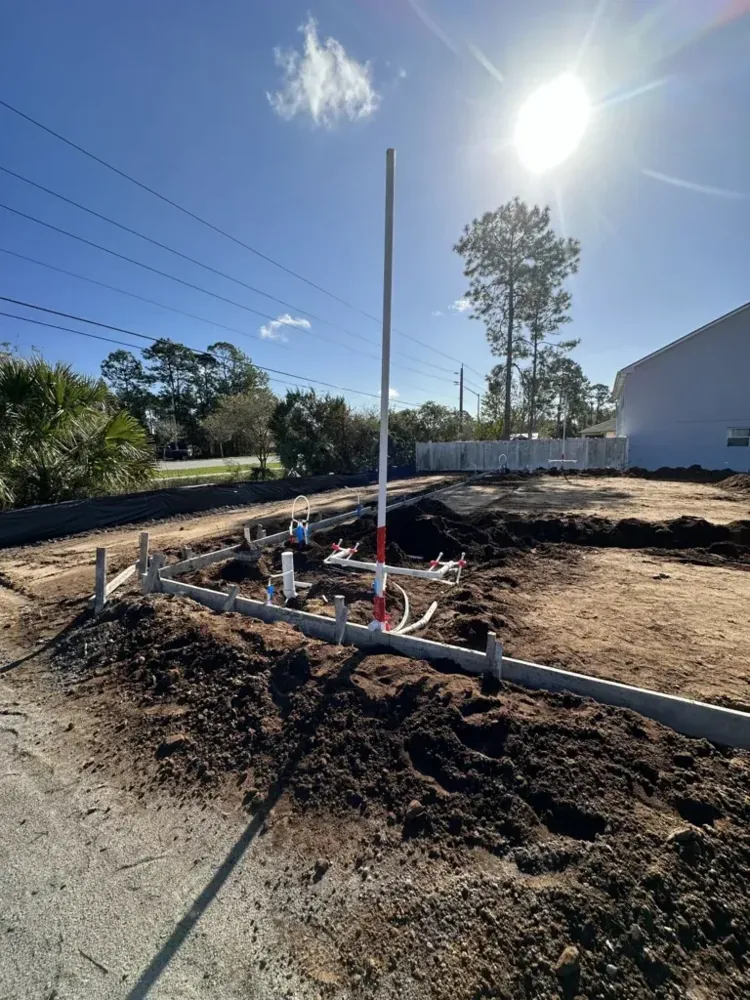
A persistent wet patch outdoors can come from a service line, irrigation, drainage or another source.
Explore this service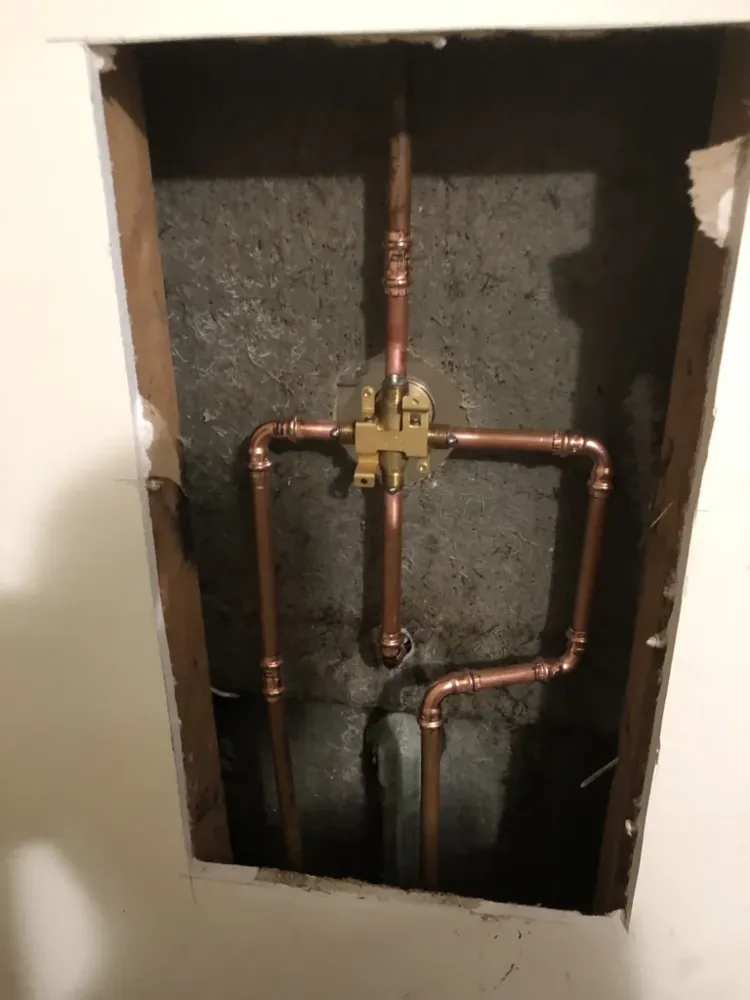
Stains and damp finishes may come from plumbing, rain intrusion or condensation.
Explore this serviceA careful comparison of gallons, billing days and household changes is a useful starting point.
Explore this serviceRunning toilets and dripping connections can waste water without leaving a puddle.
Explore this service
Prepare the information that helps a plumber investigate efficiently and explain the next step.
Explore this serviceProject spotlight
Explore plumbing project examples and what homeowners can learn from them.
From the ground up
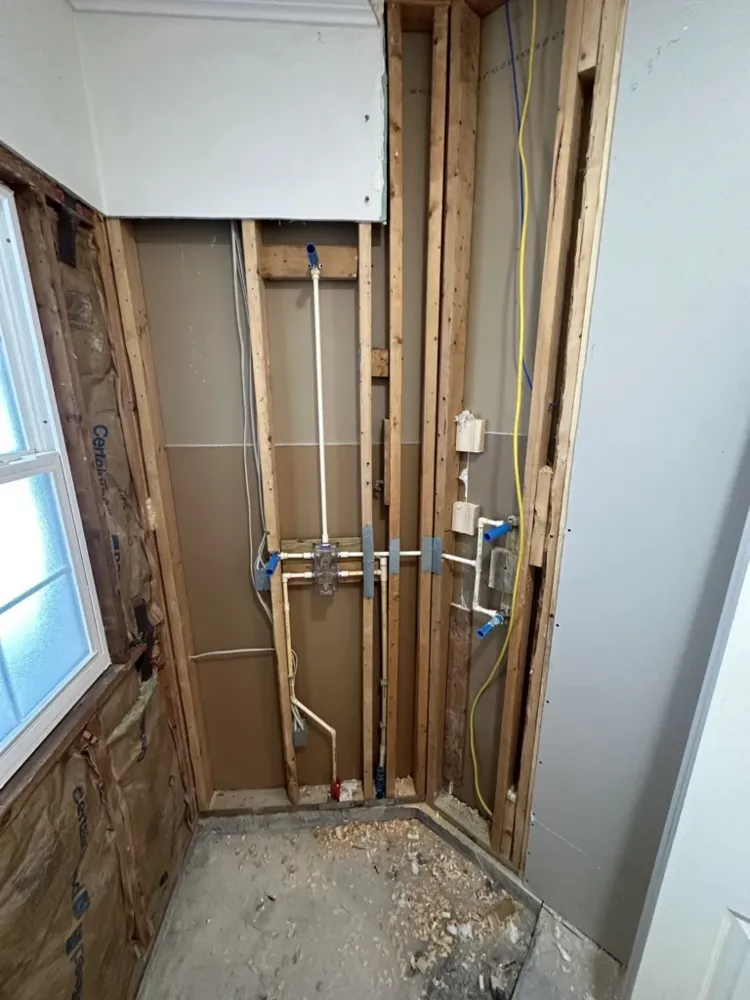
Access, pipe routes and equipment placement shape the work. These examples help you picture the questions to ask before a project starts.
Underground pipework needs coordinated layouts and clear plans for the fixtures above.
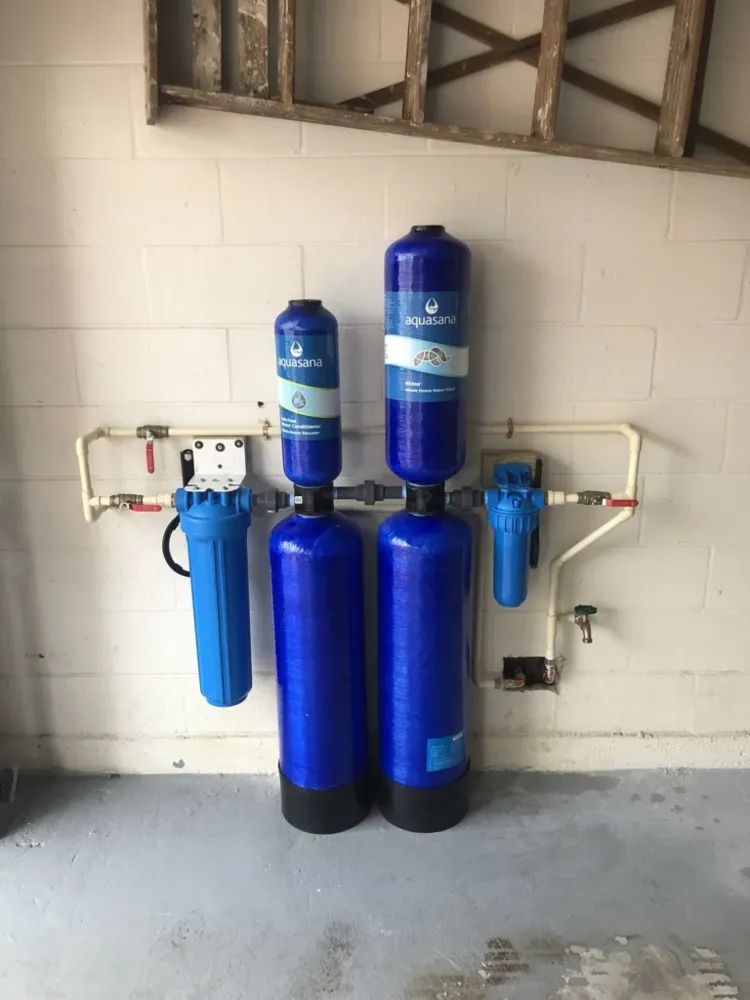
Explore the rough-in exampleTalk through equipment placement, service access and water-treatment goals before selecting a system.
Explore the filtration exampleHow to get started
Start with the affected fixture or room, when the problem began and any recent changes.
Ask what the diagnosis includes, who will attend and how additional work is approved.
Review access, materials, repair, cleanup and restoration, not just a single price.
Local water desk · Checked November 16, 2026
Utility maintenance, rate changes and leak guidance are different stories. These source-linked updates explain what each means without suggesting every home has the same issue.
The city announced a 5.1% water and wastewater rate adjustment on September 23. A higher dollar amount should be checked against actual consumption and billing days before blaming a leak.
Read the city announcementFGUA’s Beverly Beach notice schedules a temporary switch from chloramines to free chlorine through the morning of November 24. The utility notes possible temporary pressure, taste and cloudiness changes.
This applies to the Beverly Beach water system, not every Flagler County address. Check the utility’s latest notice rather than treating a change as proof of a leak.
Read the FGUA noticeEPA recommends comparing meter readings across a two-hour no-use period and checking toilets and visible fittings. These checks help you gather clues; they do not pinpoint an underground or concealed leak.
Read EPA’s leak checklistPalm Coast & surrounding communities
Whether your home is in Palm Coast, Flagler Beach, Bunnell or Beverly Beach, tell the provider your exact location and the utility named on your bill. Nearby communities can have different water systems, notices and service arrangements.
For a seasonal or unoccupied home, also note when water was last used, whether irrigation remained on, and who can provide access. Do not assume a system has been isolated because nobody is home.
Local service-area guideThis website is a homeowner resource, not a utility or plumbing contractor. Confirm service availability and response times directly; submitting an enquiry does not reserve a visit.
No. Compare gallons, billing days and changes in household use. The city’s October 2026 rate change also affects the dollar total. If unexplained consumption remains, gather meter readings and discuss them with your utility or a plumber.
The city gives an average for its supply, not a guaranteed reading at every tap or a countywide value. Confirm your provider and test at your home before selecting treatment equipment.
No. It can reveal water use during an intended no-use period, but automatic equipment must be ruled out. Locating the source requires further checks suited to the property and symptoms.
No. Record rain and irrigation timing, the affected area and any meter changes. A qualified professional can help distinguish a water line issue from drainage or another cause.
Use the inline contact form to describe the symptoms, location and timing. Do not include sensitive information. For urgent damage, contact a qualified plumber directly instead of waiting for an online response.
A clearer next step
Good information makes a useful conversation. Describe the issue, gather a few photos and ask about scope, pricing and availability.
Contact informationUse the contact form to send an enquiry. Submitting a request does not confirm an appointment.